
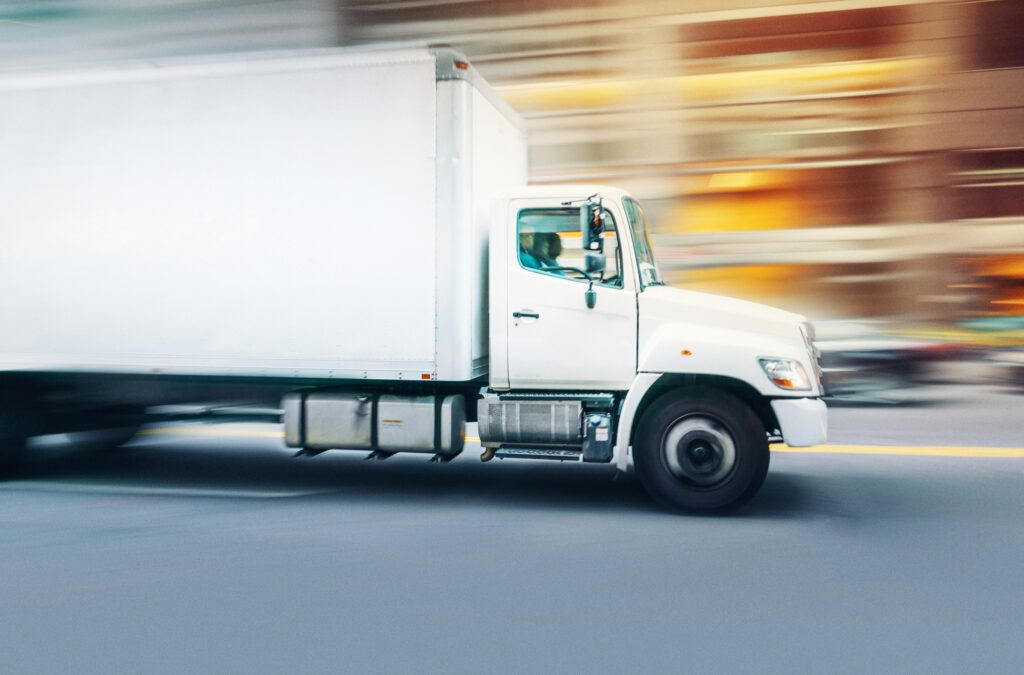
Fuel management is a priority for fleet managers, regardless of the service industry. Rising fuel costs, growing operational challenges and the need to monitor drivers make fuel management strategies a critical part of running a business. With the right fleet fuel card, fleet managers can take advantage of reporting tools and data insights that help reduce expenses and strengthen overall fleet operations.
The most successful fleet managers use reporting dashboards to analyze trends in fuel usage, purchases and driver activity.
Why Businesses Need a Strong Fleet Fuel Management Strategy
Fuel tends to be one of the biggest operating expenses for most fleets. Without proper monitoring, businesses risk overspending on fuel, losing money to fraud and encountering maintenance issues due to inefficient vehicle use. A fleet card can be used to create accountability by providing visibility into transactions, gallons pumped, locations visited and driver behavior. With this level of tracking, companies can identify savings opportunities, set spending limits that align with business needs and ensure employees follow business guidelines.
Fleet fuel cards from Phillips 66®, Conoco® and 76® are designed with fleet managers in mind, offering access to thousands of gas stations across the U.S., robust security features and powerful reporting tools. Businesses can manage purchases in real time, prevent unauthorized transactions and simplify payments and expense tracking.
Key Benefits of Using Fleet Fuel Cards
Before we dig into some of the best practices for fuel management and the role fleet cards play, let’s look at some of the more common benefits of using fleet cards.
Expense Control and Purchase Monitoring
Fleet managers can set spending limits by driver, vehicle or card. Customizable controls ensure fuel purchases are restricted to approved categories like gas, diesel or maintenance. This level of monitoring helps reduce fraud and enables businesses to stay within their budgets.
Network Access and Convenience
With wide acceptance across a nationwide network of fuel stations, fleet drivers enjoy convenience while managers maintain oversight. Whether a business operates locally or across multiple states, drivers can refuel at thousands of stations, eliminating the risk of being stranded without access.
Savings Through Discounts and Fuel Rebates
Fuel discounts and rebates are a direct way to improve cost efficiency. Both the Business Fleet Card and Business Universal Card from Phillips 66, Conoco and 76 offer up to 7¢ per-gallon rebates at any Phillips 66, Conoco or 76 gas stations. These rebates can add up to significant savings when spread across an entire fleet.
These cards also include access to special discounts on fleet-related expenses like tires, parts, services and hotels.
Simplified Payments and Transactions
Fuel cards replace cash payments and reimbursements with a streamlined system. Every transaction is logged in a fleet dashboard. The information is captured in real time, so managers always know the who, what, when, where and how much of fuel spending. Businesses manage one account with detailed reports, making it easier to monitor transactions, reconcile invoices and avoid errors. With every purchase tracked automatically, there is no need for drivers to track receipts or submit fuel expense reports.
Enhanced Security and Fraud Protection
Fraud is a costly problem for many vehicle-dependent companies. The advanced security features of fleet cards, including driver IDs, PINs, purchase alerts and spending controls, help minimize unauthorized transactions. Security is further reinforced with real-time data insights that help managers spot and address irregularities immediately.
The fleet cards offered by Phillips 66, Conoco and 76 check all the boxes, making them ideal fleet management solutions for businesses seeking cost control and operational efficiency.
Best Practices for Fleet Fuel Management
The benefits of using fleet cards are clear, and yet there are ways to maximize their features. Here are six best practices to consider making a part of your fleet management strategy.
Use Fuel Data and Reporting to Drive Decisions
The most successful fleet managers use reporting dashboards to analyze trends in fuel usage, purchases and driver activity. Detailed transaction reports highlight inefficiencies, such as excess idling, unnecessary fuel stops or purchases outside approved locations. Leveraging these insights can help businesses adjust their operations and reduce costs.
Implement Spending Limits with Purchase Controls
Controls are essential for preventing misuse. Businesses can configure cards to limit gallons, dollars spent, or transaction frequency. Fleet managers can also restrict purchases to fuel only, blocking items like food or unauthorized services. By defining limits that align with company policies, businesses ensure drivers spend responsibly.
Integrate Telematics for Smarter Operations
Telematics and GPS tracking systems enhance fuel card programs by linking vehicle data, driver behavior and fuel purchase information. With this information, fleet managers gain a complete picture of performance, including miles per gallon, fuel costs by route and time spent at locations. This integration not only improves efficiency but also helps identify training opportunities for drivers.
Train Drivers on Fuel Management Practices
Drivers play a major role in controlling expenses. When businesses educate employees on efficient driving habits, such as reducing idling, maintaining steady speeds and following optimized routes, the result is savings in both fuel and dollars. Efficient driver training, combined with the accountability of a fuel card program, creates a culture of responsibility that benefits the entire fleet.
Schedule Regular Vehicle Maintenance
Maintenance and fuel efficiency are closely connected. Poorly maintained vehicles consume more fuel, leading to higher costs. Fleet managers can use fuel card data to track mileage and schedule preventive maintenance. Pairing maintenance alerts with fleet card reporting ensures vehicles are serviced on time, avoiding costly breakdowns.
Leverage Discounts and Rebates Strategically
Businesses should actively monitor rebate programs to ensure they capture maximum savings. By directing drivers to participating stations within the Phillips 66, Conoco, and 76 networks, fleets can maximize rebates, leading to lower total fuel expenses. Over time, these savings provide significant financial relief for both small businesses and large operations.
How Fleet Fuel Cards Support Different Business Needs

Every business has unique requirements when it comes to fuel management. Small businesses may prioritize simple solutions with expense tracking and spending limits, while larger fleets need advanced analytics, telematics integrations and customized reporting. Phillips 66, Conoco and 76 fuel card programs offer flexibility, ensuring that both small companies and large operations have access to features that meet their business needs.
Choosing the Right Fuel Card Program
When evaluating fuel card programs, businesses should consider acceptance networks, reporting features, discounts and security tools. A good fleet card should:
- Offer nationwide access to fuel stations.
- Allow managers to set spending limits and purchase controls.
- Have available discounts and fuel rebates to help reduce expenses.
- Provide reporting and analytics tools for better decision-making.
- Offer customer support to assist with account management.
The fleet cards offered by Phillips 66, Conoco and 76 check all the boxes, making them ideal fleet management solutions for businesses seeking cost control and operational efficiency.
Get More From Your Fuel Card and More For Your Fleet
By focusing on proactive management and the right fuel card program, businesses can protect their bottom line while giving drivers the tools they need to perform effectively on the road.
To learn more, visit phillips66fleet.com.